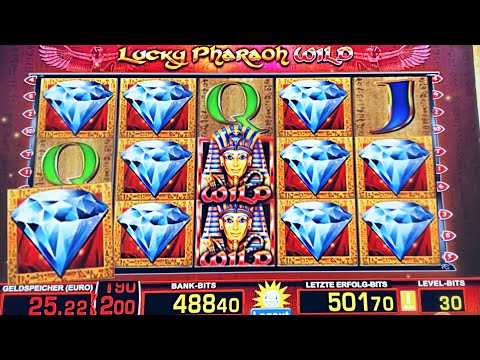
Ontario does not tax casino winnings. That single fact settles most of the arguments people have about the CRA and their Golden Panda payout, but it does not settle all of them. The confusion comes from mixing two different things: provincial withholding rules for regulated Ontario sites, and federal income tax rules that apply to every Canadian resident regardless of where the site is licensed. This guide separates the myths from the mechanics so you know exactly what happens to a win, and what you are expected to do afterward.
What Ontario actually does with gambling winnings
Ontario does not levy a tax on gambling winnings. The province taxes the operator, not the player. Registered iGaming operators in Ontario pay a percentage of revenue to the province, and that obligation sits with the business. When you win at a regulated Ontario casino, the payout arrives without provincial withholding. There is no line on your Ontario tax return where you declare a slot jackpot, and no provincial form that asks for it.
The myth survives because people confuse the operator levy with a player tax, or they hear about withholding in the United States and assume the same rules apply here. They do not. A win from a regulated Ontario site is not taxed at the provincial level, and there is no withholding mechanism built into the payout process.
The wrinkle is where Golden Panda fits. Golden Panda is licensed in Curacao and operates outside Ontario’s regulated list. That means the site is not part of the provincial iGaming framework at all, so there is no provincial withholding to apply because there was never a provincial tax to begin with. The absence of withholding on a Golden Panda win is not a loophole. It is simply the absence of a tax that does not exist for players in Ontario.
Where the CRA fits into the picture
Federal tax is a different conversation. The Canada Revenue Agency does not treat occasional gambling winnings as taxable income. Buying a lottery ticket, spinning slots on a Saturday night, or hitting a bonus round on a Megaways slot is not a business activity in the CRA’s eyes. The money is generally not reportable, and there is no line on your return for it.
The picture changes when gambling becomes a livelihood. If you treat casino play as a primary source of income, the CRA can assess it as business income. That is not a provincial rule and it has nothing to do with whether the site is licensed in Ontario or Curacao. It applies to any Canadian resident who earns income from gambling in a sustained, organized way. The distinction is intent and pattern, not the location of the server.
This is the part most golden panda casino review articles skip. The absence of provincial withholding does not mean the win is invisible to the tax system. It means the responsibility shifts to you. If gambling is your main income, you self-report. If it is a hobby, you generally do not. The line between the two is not always bright, and a tax professional is the right person to draw it for your situation.
What a Golden Panda payout actually looks like
Golden Panda offers a 200 per cent first deposit match up to CAD 5,000, and it pays 10 per cent weekly cashback every Monday. Both are generous on paper. Both come with terms that determine what you actually keep. Cashback is calculated on the operator’s clock, not yours, and withdrawal terms determine whether a win reaches a bank account. A big number on the promotions page is not the same as a big number in your account.
The Toronto account is settled in Eastern Time and Canadian dollars, which matters for cashback timing and for how you read the bonus clock. A cashback payment calculated at midnight Curacao time lands at a different hour in Toronto, and if you are tracking a weekly claim, that gap can cost you a cycle. Read the terms before you assume the Monday payout follows your calendar.
Withdrawal processing runs through the usual channels. Interac e-transfer is common for Canadian players, and cryptocurrency deposits and withdrawals are an option. Crypto is faster but not simpler for payouts, because the KYC verification step still applies and the value can move while the transfer settles. A win that looks like a clean number in the lobby can shrink between the cashout request and the bank account. That is a terms problem, not a tax problem, but it is the one that actually costs players money.
Reading the bonus terms before you count the win
The Golden Panda bonus structure rewards a careful read. The 200 per cent match up to CAD 5,000 is a match deposit bonus, and match bonuses usually carry wagering requirements, game weighting rules, and a maximum win clause. Game weighting means a slot like Big Bass Splash may count differently from a live casino table game, and a Hold and Win title like 3 Pots Riches: Hold and Win or Coins of Zeus – Hold & Win may sit in a different contribution band. If you play across categories without checking the weighting table, you can clear a fraction of what you expected.
Free spins terms add another layer. Spins usually come with an expiry, a cap on winnings, and a contribution rule. The site advertises over 3,000 titles across its slot providers, and a sports section beside the casino means betting limits and settlement rules differ by product. A sports bet and a slot spin are not taxed the same way by the CRA either, because a sustained betting operation looks more like business income than an occasional casino session.
None of this changes the provincial tax answer. Ontario still does not tax the win. What the terms change is the size of the win you are counting. A player who clears a bonus and cashes out CAD 2,000 after wagering is in a very different position from a player who sees a CAD 5,000 match on the landing page and assumes it is cash. The tax question is settled before the bonus question even starts.
The practical wrap-up is short. Ontario does not tax casino winnings, and a Golden Panda win is not subject to provincial withholding because the site sits outside the regulated framework entirely. That is not a tax advantage, it is just the absence of a tax that never applied to players. The obligation that does exist is federal and conditional: if gambling is your primary livelihood, self-report the income to the CRA. For everyone else, the real work is reading the cashback clock, the game weighting table, and the withdrawal terms before you count a win as yours.
{“@context”:”https://schema.org”,”@type”:”Article”,”headline”:”No Ontario Tax on Golden Panda Wins: Myth vs. Fact”,”description”:”Fact: Ontario does not tax casino winnings. Golden Panda sits outside the regulated iGaming framework, so no provincial withholding applies, but CRA self-reporting may.”,”inLanguage”:”en”,”datePublished”:”2026-11-16T18:32:16Z”,”articleBody”:”Ontario does not tax casino winnings. That single fact settles most of the arguments people have about the CRA and their Golden Panda payout, but it does not settle all of them. The confusion comes from mixing two different things: provincial withholding rules for regulated Ontario sites, and federal income tax rules that apply to every Canadian resident regardless of where the site is licensed. This guide separates the myths from the mechanics so you know exactly what happens to a win, and what”}